
Painting your commercial building is key to protecting surfaces and boosting curb appeal. But paint doesn’t last forever. Knowing how to spot, fix, and prevent coating issues saves time and money, and restores your peace of mind. Here’s some advice from the paint and coatings experts at C&R Services.
Why Paint and Coatings Fail
Paint failure happens when coatings don’t adhere properly, deteriorate prematurely, or develop visible defects. The most common reasons for coating issues include:
- Environmental Factors: Temperature fluctuations, moisture, and natural contaminants (like mildew, dirt, and grime) can all affect how well paint adheres.
- Low Quality Materials: Poor-quality paints won’t adhere as well or provide as much surface protection as professional-grade exterior coatings.
- Surface Preparation Issues: Without careful surface prep, your paint job will have issues earlier (and cost you more in maintenance and upkeep).
9 Paint and Coating Issues To Watch For
Here are the most common coating issues, their causes, and how we rectify them.
- Adhesion Failures: One of the most common paint failures, poor adhesion occurs when paint doesn’t adhere to the surface or underlying layers. This can lead to peeling, flaking, or blistering (which we’ll explore shortly). Applying paint to glossy surfaces, failing to remove old paint completely, or using incompatible/incorrect products can all cause poor adhesion. To prevent it, we sand down glossy surfaces and remove loose paint before applying new coatings. We use only compatible paints, primers, and finishes to create a cohesive bond.
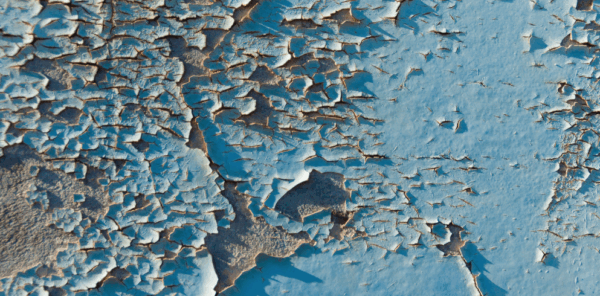
- “Alligatoring” (Paint Cracking): When paint layers split, the pattern resembles cracked skin or alligator scales. Paint cracks when layers are too thick, products are incompatible, or temperature fluctuations hurt the finish. We prevent paint cracking by painting in the right temperatures, using compatible paints, and applying coatings in thin layers.
- Blistering: Paint blistering happens when bubbles, blisters, or raised areas form under the paint surface. It’s most common when moisture gets trapped under the paint. Poor surface preparation, applying when it’s too humid, or painting a surface that’s still wet can all cause blistering. We avoid it by completely cleaning and drying surfaces before painting (and between coats). We’re careful to schedule exterior painting services when there’s low to no humidity.
- Discoloration: Paint discoloration and staining mar your walls and hurt coating performance. Wood tannins, water leaks, rust, or chemical reactions could be to blame. Before painting or repainting, check for any nearby plumbing issues or moisture intrusion. To prevent discoloration, we seal any wood we plan to paint or stain with a stain-blocking primer. When painting metal, we use rust-inhibiting products to avoid corrosion (and the resulting discoloration).
- Efflorescence: This phenomenon causes white, powdery deposits on masonry. It happens when water-soluble salt permeates the paint. Improper sealing is the most common cause of efflorescence. Before painting masonry, make sure nearby drainage and ventilation are working properly. When painting brick or stone, we seal masonry with appropriate primers to prevent the moisture intrusion that leads to efflorescence.
- Fading (and Chalking): Fading (when colors get less vibrant) and chalking (when a chalky residue forms on the surface) both happen after paint’s been exposed to excessive sunlight/UV radiation. You can’t prevent the sun from shining, but you can use the right paints. We choose paint/coatings with UV inhibitors for exterior painting projects to minimize fading and prevent chalking/weathering.
- Flaking/Peeling: Peeling, flaking paint is one of the most common coating failures. It happens when paint loses adhesion to the surface underneath. It can happen when dirty or damp surfaces are painted over, primer is neglected, or extreme humidity degrades the paint. To prevent peeling, we clean and dry surfaces thoroughly first. We use top-quality primer for better adhesion, and select the best paint for the surface.
- Mildew and Mold: When mildew and mold grow on painted surfaces (in damp and poorly-ventilated areas), paint gets discolored and the underlying surface is at risk. We treat at-risk surfaces with a fungicidal solution before painting to prevent mold and mildew, and use mildew-resistant paints for high-humidity areas, like bathrooms and basements.
- Unevenness: Poor coverage and uneven finishes happen for a lot of reasons: low-quality paint, inadequate stirring, or incorrect application/tools. You’ll know paint/coatings are uneven if you see streaks or patches. Our high-quality paints and careful preparation/application mean paint always goes on smooth and strong.
Be PRO-Active: Hire C&R Services
No matter how careful you are when DIY painting, some paint failures demand professional attention. Commercial painting by C&R Services saves time and ensures lasting results. We tackle paint failure with expert prevention. Proper surface preparation, professional-grade paints, and the latest industry best practices lower the risk of paint issues across the board. If you’re ready to refresh or repaint your commercial building, we’d love to hear more about your project. Contact us today to get started.